Finalrentals Blog


Published in Travel Category.
Saint Lucia, often called the Helen of the West Indies, boasts a rich history of British-French rivalry and stunning natural beauty. The island's rugged geography, marked by a central mountain range and volcanic peaks, divides it into two distinct areas: the developed, vibrant North and the wild, majestic South.
Choosing where to land and stay is crucial when planning your trip. With the two primary airports at opposite ends of the island, the winding road between them can take up to two hours. This means your base will influence your mornings—whether relaxing on golden sandy beaches or hiking through lush forests. This guide highlights the logistical and cultural differences between the two regions to help you plan your perfect Caribbean getaway.
Why Select the North’s Vibrant Hub
George F.L. Charles Airport (SLU)
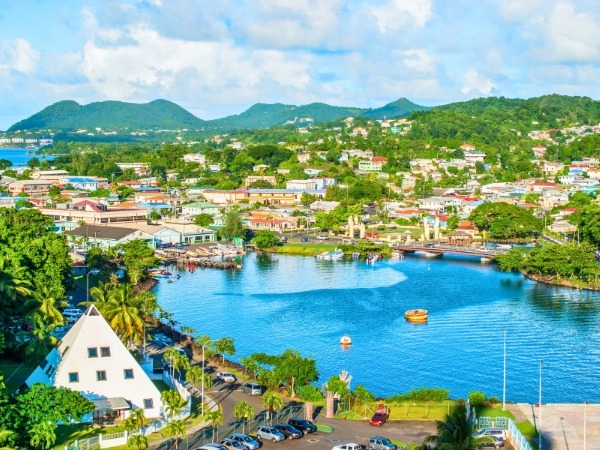
Landing at George F.L. Charles Airport (SLU), located in the capital city, Castries, offers an immediate taste of northern convenience. This facility is a compact regional hub, primarily servicing flights from other Caribbean islands, such as Barbados, Martinique, or Antigua.
For those arriving via a regional hopper, the primary advantage is speed. Within fifteen minutes of walking off the tarmac, you can be checking into a resort in Rodney Bay or Cap Estate. The runway itself runs parallel to Vigie Beach, meaning your first view of the island is a stunning stretch of white sand and turquoise water.
Northern Region Benefits
The benefits of staying in the North are rooted in variety and accessibility. Rodney Bay is the crown jewel of northern tourism, featuring a horseshoe-shaped bay with some of the calmest swimming waters on the island. Reduit Beach is particularly popular for its golden sand and extensive water sports offerings.
Beyond the beach, the North is the only part of the island where you will find true urban development. You have access to modern supermarkets, duty-free shopping malls at Pointe Seraphine, and an incredible array of restaurants ranging from fine French dining to local grill huts.
Northern Region Challenges
However, these benefits come with certain challenges. The North can feel more crowded than the South, especially during the peak season when several cruise ships may be docked in Castries simultaneously. The atmosphere is more touristic and less secluded, which might not suit those seeking a quiet, off-the-grid retreat.
Additionally, staying in the North means you are a significant distance away from the island's most famous landmarks, such as the majestic Pitons. A day trip to the South from here requires a long, winding commute that can be exhausting if undertaken multiple times.
Iconic Northern Attractions
The North boasts its own iconic attractions. Pigeon Island National Landmark is a must-visit, offering a blend of military history and coastal hiking. You can explore the ruins of Fort Rodney and enjoy panoramic views that extend as far as Martinique on a clear day. For a more local experience, the Friday Night Street Party in Gros Islet is a legendary weekly event where the streets are filled with the scent of barbecued fish and the sounds of Caribbean music, drawing visitors and locals alike for an unforgettable outdoor celebration.
Why Pick the South’s Dramatic Vibe
Hewanorra International Airport (UVF)
Most travellers will have their first encounter with the South via Hewanorra International Airport (UVF), located in Vieux Fort. This is the island’s main international gateway, receiving large jets from around the world. Upon landing at UVF, you are greeted by a more rugged landscape and a cooler Atlantic breeze. If your resort is located in the Soufrière area, you are only about 45 minutes away from your destination, allowing you to bypass the long cross-island transfer that northbound travellers must endure.
Southern Region Benefits
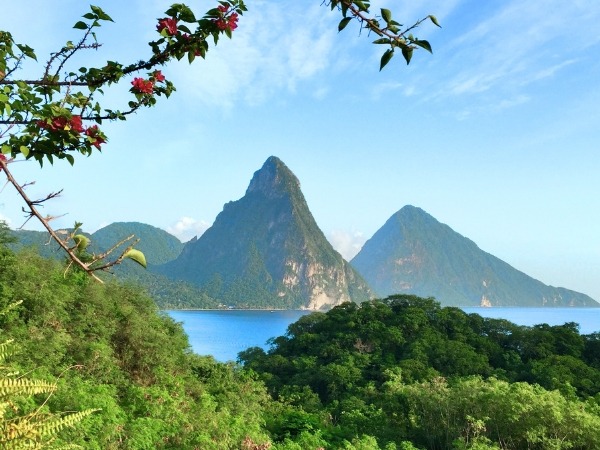
Staying in the South offers a sense of seclusion and romance that is hard to find elsewhere in the Caribbean. The accommodation here is world-renowned, featuring many luxury boutique hotels built directly into the hillsides. These properties often use a three-walled architectural style that leaves the fourth side open to a private infinity pool and an unobstructed view of the Pitons. It is a destination favoured by honeymooners and nature lovers who want to feel as though they are living inside a postcard.
Southern Region Challenges
The challenges of the South are largely related to its isolation. While the North has shopping malls and dozens of independent restaurants within walking distance, the South is more spread out. You will likely rely heavily on your resort’s dining options, and shopping is limited to local markets and small boutiques. The terrain is also much more challenging; the roads around Soufrière are incredibly steep and feature sharp hairpin turns that require a confident driver. For some, this lack of development is a primary draw, but for others, it can feel a bit restrictive.
Iconic Southern Attractions
The South is undoubtedly the adventure capital of Saint Lucia. The most famous attraction is the Sulphur Springs, billed as the world’s only drive-in volcano. Here, you can witness steaming geothermal vents before heading downstream to soak in mineral-rich mud baths that are said to have healing properties.
Nearby, the Diamond Falls Botanical Gardens offer a serene escape into a tropical paradise, featuring a waterfall that changes colour based on the mineral content of the water. For the truly active, the hike up Gros Piton provides a challenging but rewarding trek with a summit view that is widely considered the best in the entire Caribbean.
Key Factors for Choosing Your Base
Your Allocated Budget
Budget is often a primary concern, and the two regions offer different value propositions. The North generally provides a wider range of price points. Because there is more competition and a larger volume of rooms, you can find everything from modest bed-and-breakfasts to mid-range all-inclusive resorts. It is also easier to eat cheaply in the North due to the abundance of local eateries and food trucks in Rodney Bay. In contrast, the South is dominated by luxury properties. While there are affordable guest houses in villages like Laborie, many of the premier resorts in Soufrière are high-end investments.
Your Preferred Activity
Your preferred activities also play a vital role. If your idea of a perfect day is a morning jog on a flat beach followed by an afternoon of shopping and a night at a casino, the North is tailored to your needs. If you are a nature-first traveller who wants to be on a hiking trail by sunrise or snorkelling in a protected marine reserve before breakfast, the South will keep you much closer to the action. Snorkelling at the base of the Petit Piton at Anse Chastanet is a world-class experience that is right on your doorstep if you stay in the Soufrière region.
Your Travel Duration
Lastly, consider the duration of your trip. For a short weekend break, it is almost always better to stay near the airport where you land to avoid losing four hours of your vacation time to transfers. However, if you have a week or more, a split stay is highly recommended. By spending a few nights in the South to do the heavy lifting of hiking and sightseeing, followed by a few nights in the North to relax on the beaches and enjoy the nightlife, you get a complete picture of what makes Saint Lucia so special.
The Ideal Travel Base in Saint Lucia
Saint Lucia is not a one-dimensional destination; it is a tale of two distinct coasts. The North offers the quintessential Caribbean holiday of sun, socialising, and convenience, while the South provides a dramatic, soulful experience rooted in the island’s volcanic history and lush interior.
Neither side is objectively better, as the best choice depends entirely on whether you value the buzz of a beach town or the silence of a mountain retreat. The North is the practical choice for families and socialites, while the South is the spiritual heart of the island, perfect for those seeking intimacy and a deep connection with nature.
Regardless of where you choose to establish your base, renting a car is highly recommended. While the island offers taxi services, they can be expensive for long distances, and relying on them can make you feel tethered to your resort. Having your own vehicle unlocks the true magic of the island. It allows you to discover a hidden waterfall, find a secluded black-sand beach, or drive up to the northern tip for a sunset dinner at your own pace.
Take control of your transportation and bridge the gap between the North and the South. Rent a car on Final Rentals today to turn the entire island into your playground. You can book via our website or through our mobile app, which is available for download on Google Play and the App Store.