
Saint Lucia is a natural jewel of the Caribbean, with its iconic twin Pitons rising sharply from the turquoise sea and its lush rainforests covered with mists. However, climate change and over-tourism pose real threats to the island’s ecosystems, highlighting the importance of conservation efforts and sustainable travel.
The island is currently working toward ambitious sustainability goals for the coming years, aiming to balance its thriving tourism industry with the preservation of its unique biodiversity. By making intentional choices, from the vehicle you rent to the food on your plate, you can ensure that Saint Lucia remains simply beautiful for generations to come. This guide explores how to navigate this volcanic paradise while leaving the smallest possible footprint.
Selecting the right place to stay is a vital part of managing your impact. Large international chains often have massive carbon footprints, whereas eco-certified properties are designed to integrate with the local environment. When booking your stay, you should prioritise accommodations that have earned recognised sustainability marks. These certifications ensure that the property adheres to strict standards regarding energy consumption, water usage, and waste management.
Beyond the certifications, look for resorts that embody the farm-to-table philosophy. Some places use solar energy and sophisticated rainwater harvesting systems to maintain their operations. These properties often preserve the natural topography of the land, allowing local flora and fauna to thrive alongside guests. By choosing locally owned guesthouses or eco-boutique hotels, you also ensure that your money spent circulates within the Saint Lucian economy, supporting local wages and community development projects.
Navigating the winding, mountainous roads of Saint Lucia requires a vehicle with some power, but this does not have to come at a high environmental cost. Historically, rental fleets were dominated by fuel-inefficient cars; however, many rental companies are now introducing hybrid and electric vehicles. Opting for a hybrid vehicle allows you to navigate the steep terrains while significantly reducing your fuel consumption and tailpipe emissions.
For budget-conscious travellers, the public minibus system is the gold standard for low-impact transport. These vans, identifiable by their green license plates starting with the letter M, are the primary mode of transport for Saint Lucians. Using them not only reduces the number of vehicles on the road but also provides a more authentic experience of daily life on the island.
Additionally, for travel along the coast, consider using water taxis. Moving between Rodney Bay and the southern attractions by water is often more direct than the long, circuitous road routes, and when shared with other passengers, it can be a highly efficient way to see the coastline.
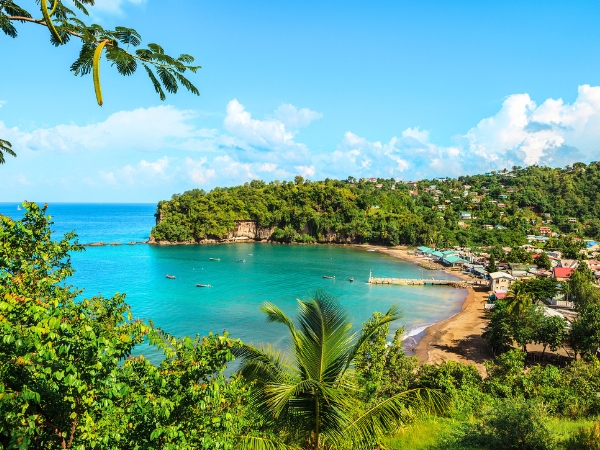
Saint Lucia is actively promoting community-led tourism to decentralise the economic benefits of travel. This concept, often referred to as village tourism, encourages visitors to step outside the gated confines of all-inclusive resorts and engage directly with the island’s heart. When you spend time in villages like Laborie or Anse La Raye, you are contributing to a model of tourism that empowers residents.
In Laborie, you can find authentic community-managed coastal tours that focus on heritage and conservation rather than mass-market entertainment. Engaging with the local craft markets in Choiseul is another excellent way to practice low-impact travel. By purchasing traditional baskets and coal pots directly from the artisans, you support ancient skills that have been passed down through generations.
Furthermore, when exploring the island’s natural wonders, always hire certified local guides. Whether you are tackling the strenuous hike up Gros Piton or wandering through the Millet Bird Sanctuary, a local guide provides essential information that you simply cannot get from a guidebook. This employment gives a financial incentive for local communities to protect their natural surroundings rather than exploiting them for timber or agriculture.
Waste management is a huge challenge for small island developing states with limited landmass for landfills. As a visitor, your goal should be to produce as little rubbish as possible, and that begins before you even leave home. By bringing your own reusable items, such as a water bottle, a shopping bag, and a set of utensils, you can easily avoid single-use plastics that are still prevalent in many parts of the country.
Furthermore, when dining out or shopping at local markets, politely refuse plastic straws and bags. Many local vendors are returning to traditional materials, such as calabash bowls or banana leaves, for packaging. Supporting these vendors reinforces the value of sustainable, traditional practices over modern, disposable alternatives.
The marine environment of Saint Lucia is a fragile tapestry of volcanic sand and vibrant coral reefs. These ecosystems are under constant pressure from rising sea temperatures and human interference. One of the simplest ways to protect it is by using reef-safe sunscreen. Traditional sunscreens contain chemicals, which can cause coral bleaching. By switching to eco-friendly products, you protect your skin without damaging the reefs.
Furthermore, you must strictly adhere to the “No Touch Policy” and avoid any physical interaction with wildlife when snorkelling or diving. Keeping a respectful distance ensures that marine creatures are not stressed during their feeding or nesting rituals. For those who want to help further, many local foundations offer opportunities to participate in coral out-planting programs, allowing you to contribute directly to the regeneration of damaged reef systems.

Saint Lucia is home to several species found nowhere else on Earth, including the flamboyant Saint Lucia Parrot and the elusive Saint Lucia Racer snake. Protecting these creatures requires travellers to adhere to strict codes of conduct. When visiting nesting sites, you should go only with accredited guides. These professionals follow specific protocols to ensure that the Leatherback turtles are not disoriented or frightened away.
When hiking, always stick to the marked paths. Straying from the trail can lead to soil erosion in the fragile rainforest environment. By staying on the trail and taking nothing but photographs, you ensure that the delicate balance of the rainforest remains undisturbed for the creatures that call it home.
Respecting wildlife also means being a conscious consumer. The illegal trade in souvenirs made from turtle shells, coral, or bird feathers continues to threaten local species. Refusing to purchase these items is the only way to stifle the market for poached goods. Make sure to only buy products that don’t harm the wildlife or the environment.
Food consumption is a major component of a traveller's carbon footprint, particularly on an island where many luxury items are imported via sea or air. To mitigate this, you should prioritise eating locally grown food. You can visit the Castries Market, where you can purchase seasonal produce such as breadfruit, dasheen, and yams. Choosing these over imported crops significantly reduces the energy required to bring your meal to the table.
Your culinary choices matter beyond simply eating local produce. Focus on invasive species like the lionfish. By ordering it at restaurants, you create a market demand that encourages divers to remove them from the water, directly aiding reef recovery. Conversely, it is vital to respect the closed seasons for indigenous species. Between May and August, lobster fishing is prohibited to allow for spawning. Avoiding lobster and conch during their respective closed seasons is a non-negotiable part of being an ethical traveller in Saint Lucia.
Low-impact travel in Saint Lucia is not about making sacrifices; it is about making sustainable decisions. When you choose a local meal or a hybrid vehicle, you are engaging with the island on a deeper, more authentic level. These choices foster a relationship with the island that is based on mutual respect rather than consumption. You transition from being a passive observer to an active steward of this Caribbean paradise, contributing to a future where the island's natural beauty and cultural heritage are preserved.
By following these seven strategies, you ensure that your presence in Saint Lucia is a force for good. The reward for this mindfulness is a more meaningful travel experience, filled with genuine interactions and a clearer conscience. You leave the island knowing that its volcanic peaks will remain green, its waters will stay clear, and its communities will continue to thrive long after you have returned home.
Take the driver’s seat in your own sustainable adventure. Book your eco-friendly rental car today and choose from a fleet of hybrid or electric vehicles designed to protect the very landscapes you are coming to enjoy. Start your low-impact journey across Saint Lucia and help keep the island beautiful for generations to come.