Finalrentals Blog


Published in Travel Category.
Saint Lucia is more than just a beautiful Caribbean destination; it is a stunning landscape shaped by volcanic activity and tectonic movements. The island's dramatic volcanic peaks are surrounded by lush rainforest, creating a unique environment that tells the story of its geological past. Visiting Saint Lucia means experiencing the grandeur of its natural features, where the coast is defined by towering mountains rather than just sandy beaches.
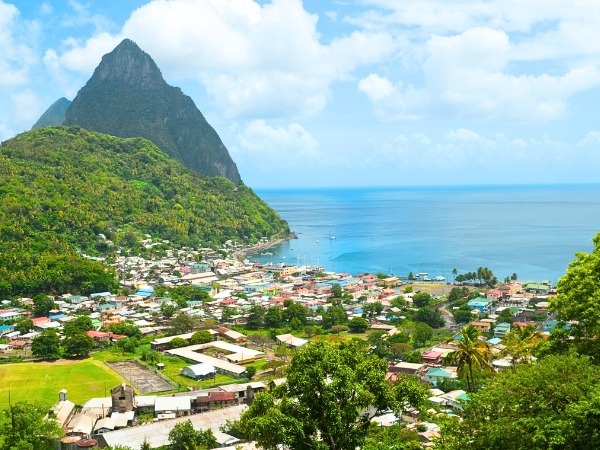
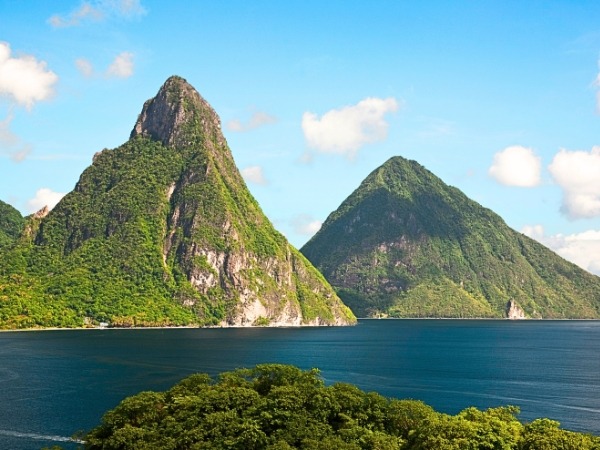
The iconic Pitons, Gros Piton and Petit Piton, stand as symbols of this volcanic heritage and are recognised as a UNESCO World Heritage site. However, aside from the twin peaks, the island's geothermal influence can be seen in various forms, from the bubbling mud at Sulphur Springs to the mineral-rich waters of Diamond Falls. This overview delves into preparations for exploring this geothermal paradise, providing an itinerary for those eager to experience the island’s volcanic heart.
Getting Ready for a Volcanic Adventure
Embarking on a volcanic adventure requires more foresight than a standard beach vacation. Because Saint Lucia’s terrain is so mountainous, you need the right timing, physical condition, attire, and gear.
Travel Schedule
Planning your visit for the dry season, which typically runs from December to May, is highly recommended. During these months, the hiking trails are less slippery, and the sky is usually clear enough to offer the panoramic views that make the steep climbs worthwhile. Remember that this is also the island’s peak season for tourists, so you need to book everything in advance, including your flights, accommodations, and rental car.
Physical Fitness
Physical readiness is another key consideration. While the island offers experiences for all fitness levels, the activities range from the leisurely to the extremely strenuous. A soak in the mud baths is accessible to almost everyone, but hiking Gros Piton is an arduous journey that involves several hours of climbing over volcanic rock. It is important to be honest about your physical limitations before setting out. Many visitors find that a combination of high-energy hikes and low-energy mineral soaks provides the perfect balance for an expedition.
Packing Essentials
Your packing list should reflect the dual nature of the island’s volcanic attractions. For the mountain trails, sturdy hiking boots with excellent grip are non-negotiable. The volcanic rock can be sharp and uneven, and standard trainers often fail to provide the necessary ankle support. You should also pack moisture-wicking clothing that allows your skin to breathe in the tropical humidity. Long trousers are often preferred by hikers for protection. Ensure you have eco-friendly sunscreen and high-strength insect repellent to protect yourself while respecting the delicate island ecosystem.
For the geothermal springs and mud baths, the requirements are quite different. It is a common mistake for tourists to wear their favourite swimwear to the Sulphur Springs. The volcanic mud is rich in minerals, which will permanently stain light-coloured fabrics and leave a lingering scent. It is essential to pack an old, dark-coloured swimsuit specifically for this purpose. Additionally, you should bring water shoes for navigating the rocky bottoms of the mineral pools and waterfalls.
Exploring the Fiery Heart of Saint Lucia
To truly appreciate the geological diversity of Saint Lucia, you must spend time in Soufrière, the historic capital located in the volcanic south. This four-day itinerary is designed to take you from the bubbling depths of the earth to the highest peaks overlooking the sea.
Day 1: Embracing the Springs
Begin your journey at the Sulphur Springs Park, famously known as the only drive-in volcano in the world. This is not a traditional cone-shaped volcano but a collapsed caldera, where the earth’s crust is thin enough to allow geothermal energy to escape. A guided tour will take you to the edge of the steaming vents where you can watch grey mud bubble and hiss at incredible temperatures. The air here is thick with the scent of sulfur, a potent reminder of the chemical reactions happening just beneath your feet.
After witnessing the raw power of the vents, head downstream to the Black Water Pool. Here, the volcanic water has cooled sufficiently to allow for a therapeutic mud bath. Smearing the mineral-rich grey mud over your skin is a local tradition believed to have healing properties for the skin and joints. Once the mud has dried in the sun, you can rinse off in the warm mineral stream, leaving your skin feeling refreshed and your muscles relaxed. This is the perfect introduction to the island’s geothermal personality.
Day 2: Conquering the Giants
The second day is dedicated to the most challenging but rewarding experience on the island: the ascent of Gros Piton. It is best to start this hike as early as possible, ideally around 7:00 AM, to avoid the midday sun. All hikers are required to use a local guide, who will lead you up the steep, winding path through the rainforest. As you climb, the vegetation changes, and you will catch glimpses of the Petit Piton across the bay. The final scramble to the summit is difficult, but the reward is an unparalleled view of the southern coast and the distant islands on the horizon.
Following the descent, your body will likely crave rest. Spend the late afternoon at Sugar Beach, which is situated directly between the two Pitons. The beach offers a unique perspective of the vertical rock walls rising hundreds of metres into the air on either side of you. The water here is calm and clear, providing an excellent spot for snorkelling among the volcanic boulders that have fallen into the sea over millennia, creating a haven for tropical fish.
Day 3: Chasing the Waterfalls
On the third day, focus on the aesthetic beauty created by volcanic minerals. Visit the Diamond Falls Botanical Gardens, where the water flowing over the falls changes colour depending on the mineral content of the day. The rock face is painted in shades of yellow, green, and orange, created by the deposition of sulfur, copper sulfate, and iron. It is a stunning visual representation of the island’s chemical makeup. While you cannot swim in the main waterfall, the gardens offer private mineral baths where you can soak in the same nutrient-dense water.
In the afternoon, make your way to Piton Falls. This is a warm-water waterfall that drops roughly ten metres into a series of man-made pools. Unlike the cold mountain streams found elsewhere, the water at Piton Falls is heated by the same geothermal energy that powers the Sulphur Springs. It is an extraordinary experience to stand beneath a warm waterfall in the middle of a lush rainforest, feeling the massage of the falling water on your shoulders after the previous day’s strenuous hike.
Day 4: Appreciating the Views
For your final day, take a more moderate hike to the Tet Paul Nature Trail. Often called the “stairway to heaven”, this trail is far less demanding than the Pitons but offers what many consider to be the best views on the island. The trail takes you through a working organic farm where you can learn about the volcanic soil's fertility. From the highest point of the trail, you can see both Pitons, the town of Soufrière, and even the islands of Martinique and Saint Vincent on a clear day.
Conclude your volcanic adventure with a sunset dinner in Soufrière. The town is built into the curve of the bay, and many restaurants offer balconies that look directly out at the Petit Piton. As the sun sets, the volcanic peaks turn from emerald green to deep purple and finally into black silhouettes against the starlit sky. It is a moment of quiet reflection, allowing you to appreciate the sheer scale of the geological forces that created this island paradise.
Following Practical Tips for an Expidition
To make the most of your time in Saint Lucia, it is vital to plan your trip strategically and follow some practical tips. These guidelines are made to help you enjoy a fun expedition while staying safe.
- Start Your Trip Early: Aim to begin your hikes or volcanic tours by 7:00 AM. This allows you to avoid the most intense tropical heat and ensures you reach popular sites before the large tour groups arrive from the northern cruise terminals.
- Hire a Registered Guide: While some trails are well-marked, guides are legally required for the Piton climbs. They provide essential safety support, ensure you stay on the correct paths, and offer deep insights into the island’s geology and rainforest ecology.
- Prioritise Your Hydration: The combination of physical exertion, high humidity, and geothermal heat can lead to rapid dehydration. Always carry twice as much water as you think you will need, particularly for the multi-hour ascent of Gros Piton.
- Respect the Warnings: When visiting Sulphur Springs, always remain behind the designated barriers. The geothermal vents are highly active, and the water or mud in prohibited areas can reach temperatures of one hundred and seventy degrees Celsius.
- Protect the Environment: Use eco-friendly, reef-safe sunscreen and avoid removing any volcanic rocks or plants from the UNESCO World Heritage areas. Preserving the integrity of the landscape ensures it remains a wonder for future generations.
Renting a Car for a Saint Lucian Holiday
The volcanic nature of Saint Lucia is not just a tourist attraction; it is the essence of the island. The same forces that shaped the majestic Pitons also created the mineral-rich soil that fuels vibrant agriculture, from lush rainforests to the cacao used for world-class chocolate. Visiting these sites allows you to witness the dramatic cycle of life, where destruction leads to remarkable fertility and beauty.
Saint Lucia offers more than just a typical beach experience; it leaves a profound impression that humbles the spirit. This dynamic landscape is an evolving masterpiece of ash, stone, and water. Whether you stand atop a peak or relax in a warm mineral pool, you become part of a narrative that started millions of years ago and continues today.
To truly explore the island, it’s essential to move at your own pace. While organised tours are convenient, renting a car allows you to navigate the scenic West Coast Road and access hidden overlooks that tour buses miss. For the rugged south, a four-wheel-drive vehicle is recommended to tackle steep gradients and unpaved paths. By taking the wheel, you turn a simple getaway into a genuine expedition. Book a car on Final Rentals today and start your journey through the heart of Saint Lucia.